_edited.png)
How to Protect Your Landscape During Extreme Summer Heat
Triple-digit temperatures are part of life in the Texas Panhandle, but prolonged heat places additional stress on every landscape. Lawns, trees, shrubs, and seasonal color all respond differently when temperatures remain above 100°F for days at a time. Understanding how plants respond to extreme heat can help you recognize what's normal, identify potential irrigation problems, and protect your landscape through the hottest part of the summer.
How Plants Respond to Extreme Heat
Even healthy plants experience stress during extended periods of extreme heat. To conserve moisture, plants naturally slow their growth and redirect their energy toward survival.
Common signs of heat stress include:
Wilting during the hottest part of the afternoon
Brown or scorched leaf edges
Premature leaf drop
Slower growth
Increased susceptibility to insects and disease
Afternoon wilting doesn't always mean a plant needs more water. Many plants recover naturally as temperatures cool in the evening. If wilting continues into the next morning, it's worth checking soil moisture and your irrigation system before assuming the plant simply needs more water. Irrigation coverage, compacted soil, or root issues can produce similar symptoms.
New Landscapes Need Extra Care
Newly installed trees, shrubs, sod, and perennial beds haven't yet developed the extensive root systems that established landscapes rely on during periods of heat. They typically require closer monitoring, more consistent watering, and prompt correction of irrigation issues until they become established.
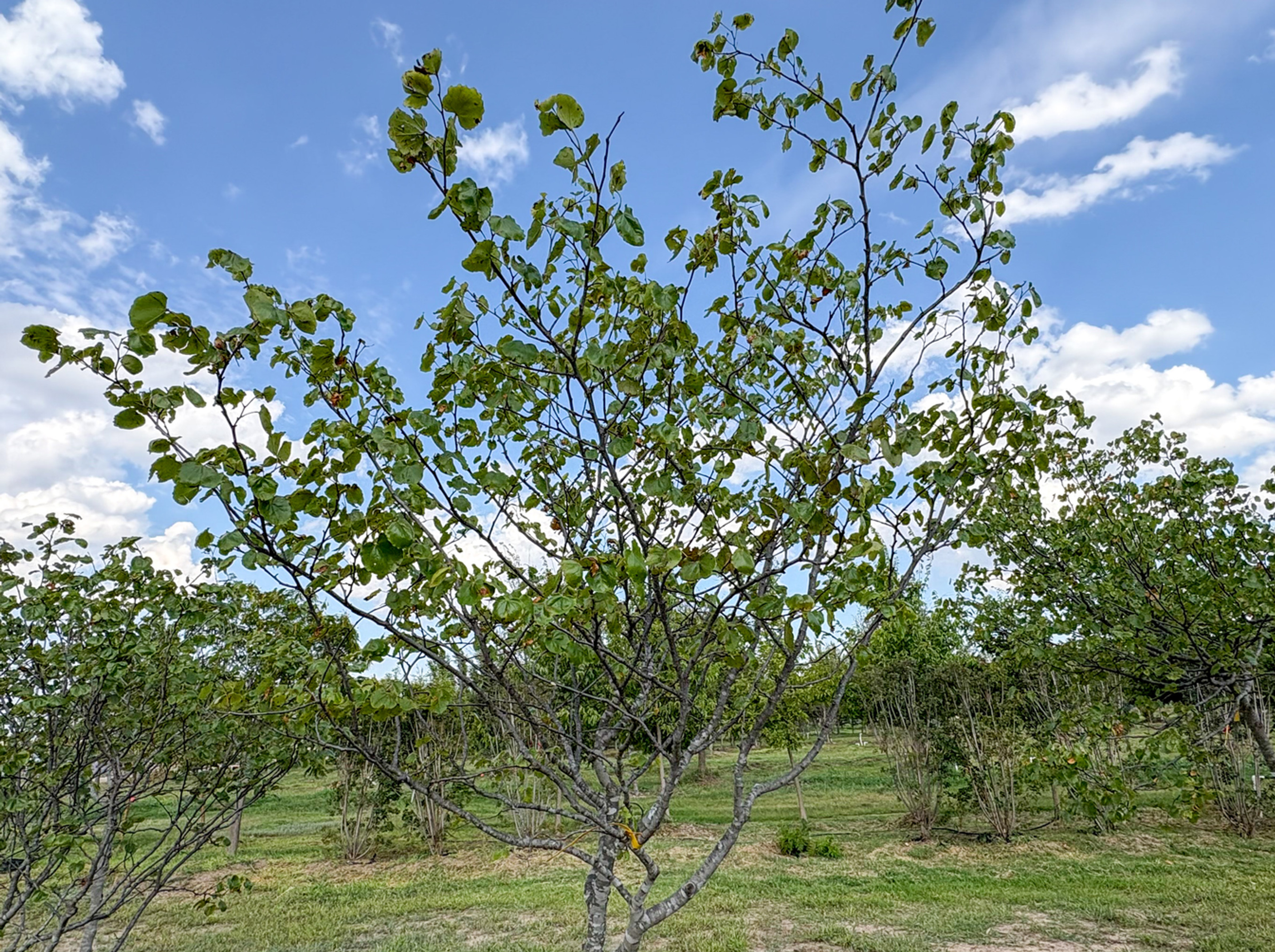
At Custom Gardens, we pay close attention to newly installed landscapes during extreme heat, adjusting irrigation when necessary and watching for early signs of stress before they become larger problems.
Your Irrigation System Matters More Than Ever
A common response to extreme heat is to increase irrigation run times. While additional watering may sometimes be necessary, more water isn't always the answer.
Many dry spots are actually caused by irrigation coverage issues rather than a lack of total water. A broken sprinkler head, clogged nozzle, poor sprinkler head alignment, or uneven water distribution can leave sections of a landscape dry regardless of how long the system runs.
Before increasing your watering schedule, make sure your irrigation system is operating correctly. Correcting an irrigation problem is often more effective than simply applying more water.
If you'd like to learn more about irrigation coverage, read our blog, How to Fix Dry Spots in Your Yard This Spring and Summer.
Water Wisely
Deep watering encourages stronger root systems than frequent, shallow watering. Texas A&M AgriLife Extension recommends watering deeply and infrequently to encourage roots to grow deeper into the soil, making plants more resilient during hot weather.
In the Texas Panhandle, clay soils add another challenge. Water applied too quickly often runs off before it has a chance to soak into the root zone. Using a cycle-and-soak approach—running irrigation in shorter cycles with time between them—allows water to penetrate more effectively and reduces runoff.
Whenever possible, water early in the morning. The Texas A&M Aggie Turf Water-Wise Checklist recommends watering between approximately 3:00 a.m. and 9:00 a.m., when evaporation is lowest and plants have time to dry before evening.
What Homeowners Should Watch For
Walking your landscape every few days during periods of extreme heat can help catch small problems before they become expensive repairs.
Watch for:
Brown or thinning turf
Dry spots that don't recover after irrigation
Leaves curling or developing brown edges
Wilting that continues beyond the afternoon
Water running onto sidewalks or streets
Broken sprinkler heads or clogged nozzles
A small irrigation issue can quickly become a much larger landscape problem during prolonged heat.
How Our Maintenance Team Responds During Heat Waves
Extreme heat changes the way we maintain landscapes.
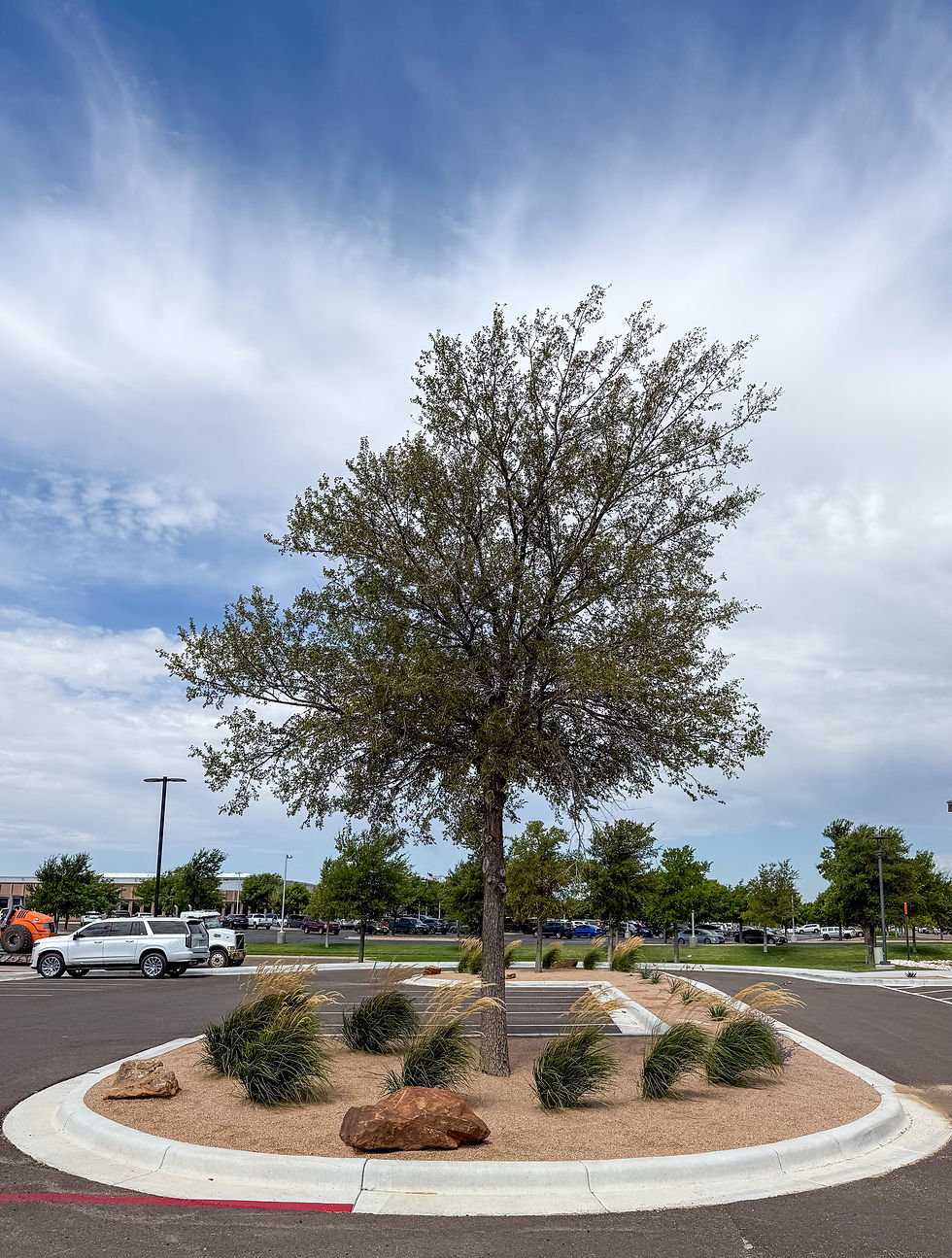
During these periods, our crews focus on protecting plant health by:
Inspecting irrigation systems for broken sprinkler heads, clogged nozzles, and leaks
Monitoring irrigation coverage and soil moisture
Watching for developing dry spots
Adjusting irrigation schedules when appropriate
Delaying unnecessary pruning that could increase plant stress
Raising mowing heights when appropriate to help shade the soil and reduce moisture loss
Monitoring for insects and diseases that often appear when plants are under stress
Texas A&M AgriLife Extension recommends mowing at the upper end of the recommended height range during periods of heat because taller turf shades the soil, reduces moisture loss, and supports healthier root systems.
Trees Need Attention Too
Large shade trees provide cooling, beauty, and long-term value, but they can also experience stress during prolonged heat waves.
Watch for:
Leaves curling
Premature leaf drop
Wilting
Branch dieback
When supplemental watering is needed, deep watering around the drip line is generally more beneficial than frequent shallow watering. According to the Arbor Day Foundation, watering the root zone thoroughly encourages stronger root development and helps trees better withstand drought and extreme temperatures.
The Value of Professional Landscape Maintenance
Extreme heat is part of living in the Texas Panhandle, but landscape damage doesn't have to be. Routine maintenance, irrigation inspections, and timely adjustments help landscapes remain healthier and more resilient throughout the hottest months of the year.
If you notice developing dry spots, irrigation concerns, or signs of heat stress, Custom Gardens can help identify the cause and recommend the right solution. Thoughtful maintenance and proper irrigation help protect the long-term health and beauty of your landscape, even during the hottest Texas Panhandle summers.